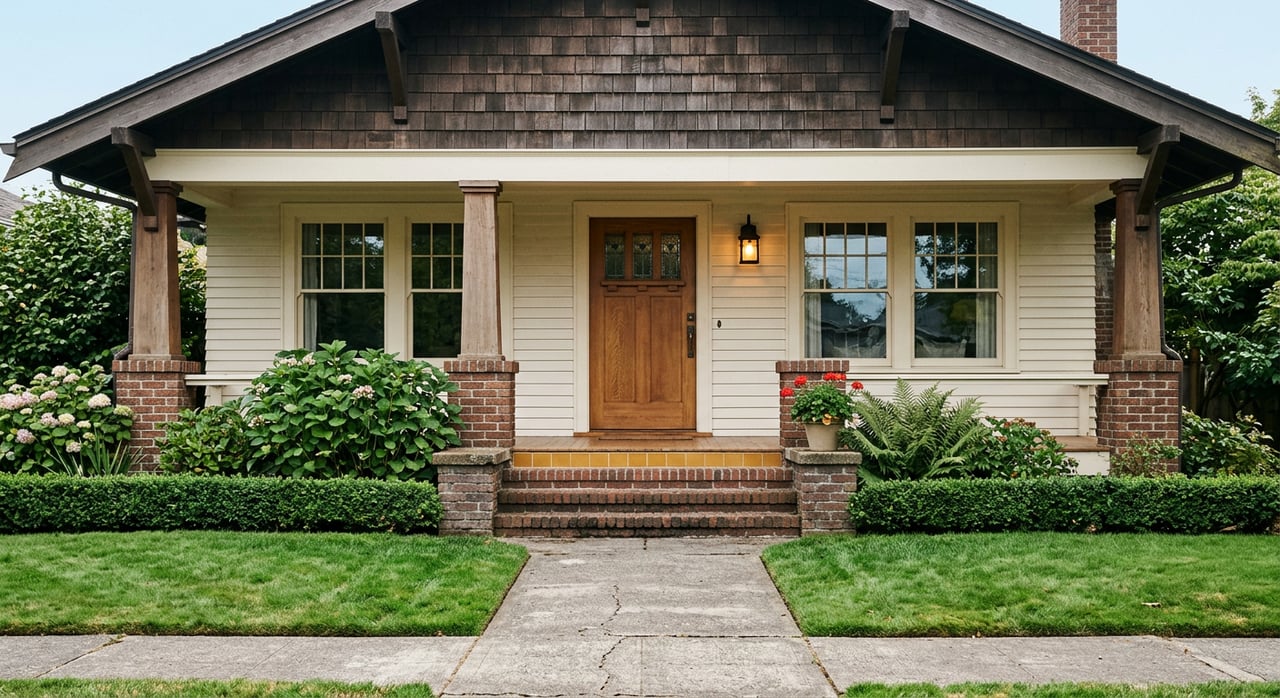
Do two Craftsman blocks a few streets apart really sell so differently? In Pasadena, they often do. If you love homes with soul — bungalows with deep porches, stately period revivals, or tailored mid‑century lines — understanding the city’s micro‑markets is the key to buying with confidence or selling for top dollar. In this guide, you’ll learn how Pasadena’s character‑home pockets differ by architecture, lot type, and price signals, plus how to read comps and timelines like a pro. Let’s dive in.
Pasadena market snapshot
Pasadena’s median sale price has recently hovered around the 1.15–1.25 million range, with typical time to sell often landing between about 40 and 70 days. These are citywide signals and can shift month to month. What matters most for character homes is how your specific pocket, property type, and condition compare to nearby solds on the same or adjacent blocks. Local indices and neighborhood breakouts show distinct price tiers and different days on market by sub‑area. Tools that break the city into segments can help you see those tiers clearly. Resources such as Altos market segments illustrate how inventory and pricing vary by pocket inside the same city.
Where character homes cluster: key micro‑markets
Below is a practical map of Pasadena’s best‑known character‑home pockets. Use it to frame your search or pricing strategy, then verify with recent local comps.
Bungalow Heaven
- What defines it: A compact landmark district in central Pasadena known for one of the region’s best collections of Craftsman bungalows.
- Architecture: Predominantly Arts and Crafts and Craftsman, built mainly 1905–1920, with both single‑story and early two‑story plans. For a broader look at Pasadena’s Arts and Crafts tradition, review this overview of regional architecture that shaped many local blocks.
- Lots and layout: Mostly small to mid‑sized bungalow lots. Because many homes are modest in size, price per square foot often trends high for restored examples.
- Price signals: Restored and intact bungalows can reach into low seven figures. Buyers pay attention to original woodwork, built‑ins, and documented, permitted upgrades.
- Preservation: As a City landmark district, exterior changes visible from the street often require a Certificate of Appropriateness. Some homes benefit from the Mills Act, which can reduce property taxes in exchange for preservation commitments. See the City’s program page on historic incentives, COAs, and Mills Act details for guidance.
Garfield Heights
- What defines it: A central landmark district with active neighborhood preservation and a significant stock of late‑19th and early‑20th century homes. The district’s association outlines its historic context and review process.
- Architecture: Victorian, Craftsman, American Foursquare, and early 1900s period styles.
- Lots and layout: Modest to mid‑sized lots that vary street by street. Designation means exterior proposals receive review.
- Price signals: Condition drives range. Intact homes on especially cohesive blocks tend to command a premium.
Learn more about the district’s history and designation on the Garfield Heights association site.
Madison Heights and the Playhouse corridor
- What defines it: Central location near the Playhouse District and Caltech corridors, with leafy streets and a mix of historic single‑family homes.
- Architecture: Craftsman, Colonial Revival, Tudor Revival, and later period revivals.
- Lots and layout: A mix of lot sizes, often larger than inner‑core bungalow courts. Always verify block‑level lot size and setbacks when comparing.
- Price signals: Often in the middle to upper tiers for central Pasadena, depending on block quality and renovation level.
Oak Knoll, Lacy Park, and South Lake estates
- What defines it: The estate pocket near the Langham Huntington and Lacy Park, known for custom period homes and generous grounds.
- Architecture: Large period revivals and custom estates from the 1910s–1930s, many architect‑designed, with later renovations.
- Lots and layout: Estate parcels that can span from roughly 10,000 to 30,000 square feet, with occasional larger holdings. Topography and privacy drive value.
- Price signals: High‑end, infrequent sales that create a long‑tail market. Pricing is often unique to the property’s architecture, lot, and provenance.
Lower Arroyo, San Rafael Hills, and South Arroyo
- What defines it: Neighborhoods along the Arroyo Seco and around the Colorado Street Bridge, long associated with grand homes along Millionaire’s Row.
- Architecture: Arts and Crafts influences, Mission and Spanish Revival, Tudor, and larger early 20th‑century residences shaped Pasadena’s design identity. This architecture overview gives context to why these areas feel so distinctive.
- Lots and layout: Larger lots, hillside settings, and view or canyon edge parcels. Lot type and topography are major value drivers.
- Price signals: Among Pasadena’s most premium sub‑markets by lot and pedigree, with wide ranges due to rare, estate‑scale sales.
Upper and Lower Hastings Ranch
- What defines it: Northeast foothill neighborhoods with post‑war and mid‑century character.
- Architecture: Single‑story ranch and mid‑century plans, many with tasteful remodels and additions.
- Lots and layout: Larger suburban footprints than inner‑city bungalow blocks, often with family‑friendly backyards and single‑level living.
- Price signals: Often more attainable on a price‑per‑square‑foot basis than landmark core districts, while offering space and ease of living.
Old Pasadena, Playhouse, and South Lake urban core
- What defines it: Historic commercial Old Pasadena, nearby bungalow courts, and adaptive‑reuse condos create a walkable, urban historic mix.
- Architecture: Late 19th to early 20th‑century storefronts and mixed‑use buildings, Art Deco, Spanish Revival, and Beaux‑Arts, plus early period residences and bungalow courts.
- Lots and layout: Small urban parcels, courtyard housing, lofts, and condos. Outdoor space is limited compared to single‑family streets, but character and location command strong per‑square‑foot values.
How to read comps and days on market for historic homes
Character homes are not commodities. You need like‑for‑like comparisons to price and negotiate well.
Use micro‑market comps, not just citywide numbers
- Match by micro‑market and block. Landmark districts and their immediate edges behave differently than city averages.
- Match by architectural era and plan type. A 1910s bungalow does not compete the same way as a 1930s Tudor or a 1950s ranch. Appraisal guidance emphasizes using the closest, most similar comparables available.
- Match by lot type. Flat interior lots, hillside parcels, and estate lots trade on very different value drivers.
For a framework on comparable selection and valuation, review this concise summary of appraisal principles used by lenders and appraisers.
Check contributory status in landmark districts
- Contributing homes that retain historic fabric often pull stronger buyer interest than non‑contributing or heavily altered properties on the same block.
- Confirm designation status with the City. The preservation program page explains incentives, Certificates of Appropriateness, and how designation interacts with renovations.
Read days on market by pocket and condition
- Compare DOM for homes of similar era and condition inside the same micro‑market. A quick sale for an intact Craftsman can signal depth of demand at that price band.
- A long DOM on a historic listing can point to price‑condition mismatch or added complexity, such as permits or specialized repair scopes.
Account for non‑market friction
- Historic homes can involve specialized maintenance, higher insurance, or preservation review. Buyers may include longer inspection periods or repair credits in offers.
- Sellers can reduce friction by assembling permits, COAs, and upgrade documentation before hitting the market. The City’s incentives page outlines common documents buyers ask for.
Anticipate appraisal and lending needs
- Unique estates and architect homes may have few recent comps. Appraisers might rely more on narrative, replacement cost, or a broader search radius.
- A pre‑listing or pre‑offer appraisal by a local expert can help mitigate financing risk and support your list price.
Buyer checklist for Pasadena character homes
- Pull 6–12 very recent closed comps from the same micro‑market, ideally within the last 6–12 months and similar in era, plan, lot type, and condition. This appraisal guide outlines why that match matters.
- Order full structural and systems inspections. Include foundation, roof, electrical, plumbing, and termite or wood‑destroying organism checks. For older homes, test for lead, asbestos, and knob‑and‑tube wiring.
- Request permit history, any Certificates of Appropriateness, and documentation for major work. Confirm whether a Mills Act contract applies and obtain the specifics. The City’s preservation incentives page explains COAs and Mills Act basics.
- If you plan exterior changes in a landmark area, expect added review time. A pre‑application consult with City staff can clarify the path. This practical guide to Pasadena’s historic review process explains what to expect and how to prepare.
Seller playbook for historic and design‑forward homes
- Build a documentation binder. Include permits, COAs, before‑and‑after photos, contractor invoices, system upgrades, and any Mills Act paperwork. Buyers, underwriters, and appraisers will all reference it. The City’s program page is a helpful checklist starter.
- Consider a pre‑listing inspection and, in select cases, a pre‑listing appraisal. Use the findings to price with confidence and to spotlight upgrades in marketing.
- Stage to celebrate authenticity and function. Highlight original woodwork, built‑ins, windows, and tiled fireplaces, balanced with updated kitchens, baths, HVAC, and seismic or electrical improvements.
- Price to the right buyer pool. Overpricing a niche historic home often leads to longer DOM. A targeted strategy that speaks to restoration and design‑minded buyers can create stronger engagement.
- If you plan strategic pre‑sale updates, ask about interest‑free improvement options and concierge‑style project management that can help unlock higher list‑ready presentation.
Red flags to watch
- Major additions or ADUs without a permit trail. Always verify with City records.
- Patchwork structural repairs or signs of settlement without documentation. For hillside or Arroyo‑adjacent properties, consider geotechnical input.
- Limited or no recent comps provided by the seller or listing agent. Expect a longer diligence period if you have to build the case from scratch.
How to compare pockets side by side
Use this quick matrix when you tour or analyze:
- Architecture first. Identify the dominant era and plan type. Use similar‑era comparables.
- Lot type second. Flat interior lot, hillside, or estate parcel. Adjust expectations and budgets accordingly.
- Condition third. Rate each home’s original fabric and integrity, then weigh system upgrades.
- Market tempo last. Check recent DOM trends and price reductions for the same pocket and product.
For broader context on how historic designation can affect values, academic research finds mixed but often neutral to positive outcomes, with local results varying by neighborhood and market cycle. Let this inform your expectations while you rely on micro‑market comps to set price.
Putting it all together
Pasadena rewards close reading. A beautifully kept bungalow on a protected block can trade briskly at a strong price‑per‑square‑foot, while an estate‑scale property might require patience, storytelling, and careful appraisal prep. Whether you are zeroing in on Bungalow Heaven, comparing Garfield Heights to Madison Heights, or weighing the privacy of Oak Knoll against the hillside drama of the Arroyo rim, the formula is the same: match micro‑market, era, and lot type, then ground decisions in recent local comps.
If you want a curated, design‑savvy partner to help you target the right pocket, prep your home for market, or navigate preservation and permits with confidence, connect with us. We combine elevated presentation with hands‑on execution so your home tells the story that unlocks its best outcome. Reach out to Sarah Minka Jackson to start your curated search or prep your sale.
FAQs
What is a “character home” in Pasadena?
- In Pasadena, character homes typically include early 20th‑century bungalows, period revival houses, and mid‑century residences with distinct architectural identity and original design details.
How do landmark districts affect renovations in Pasadena?
- Exterior changes visible from the street in landmark districts often require a Certificate of Appropriateness. Review the City’s guidance on historic incentives and COA processes before planning work.
What is the Mills Act and how could it impact my taxes?
- The Mills Act is a program that can reduce property taxes for owners of qualified historic properties in exchange for ongoing preservation. The City’s preservation page outlines eligibility and obligations.
How should I pick comparable sales for a historic home?
- Prioritize sales from the same micro‑market and block, with similar era, plan, and lot type. Appraisal guidance stresses using the most comparable solds available to support value.
Why do Arroyo‑area homes vary so much in price?
- Lot size, hillside topography, and architectural pedigree create wide value ranges. Estate‑scale properties sell less frequently, so each sale can set a unique benchmark.
Are Hastings Ranch homes usually more affordable per square foot?
- Often yes, compared with central landmark districts, because many homes are larger ranch or mid‑century plans on bigger lots, which can lower price per square foot compared to smaller historic bungalows.
What can I do to speed up a historic home sale?
- Prepare a complete documentation binder, consider a pre‑listing inspection, price to the right buyer pool, and present the home’s original features alongside modern system upgrades to build buyer confidence.