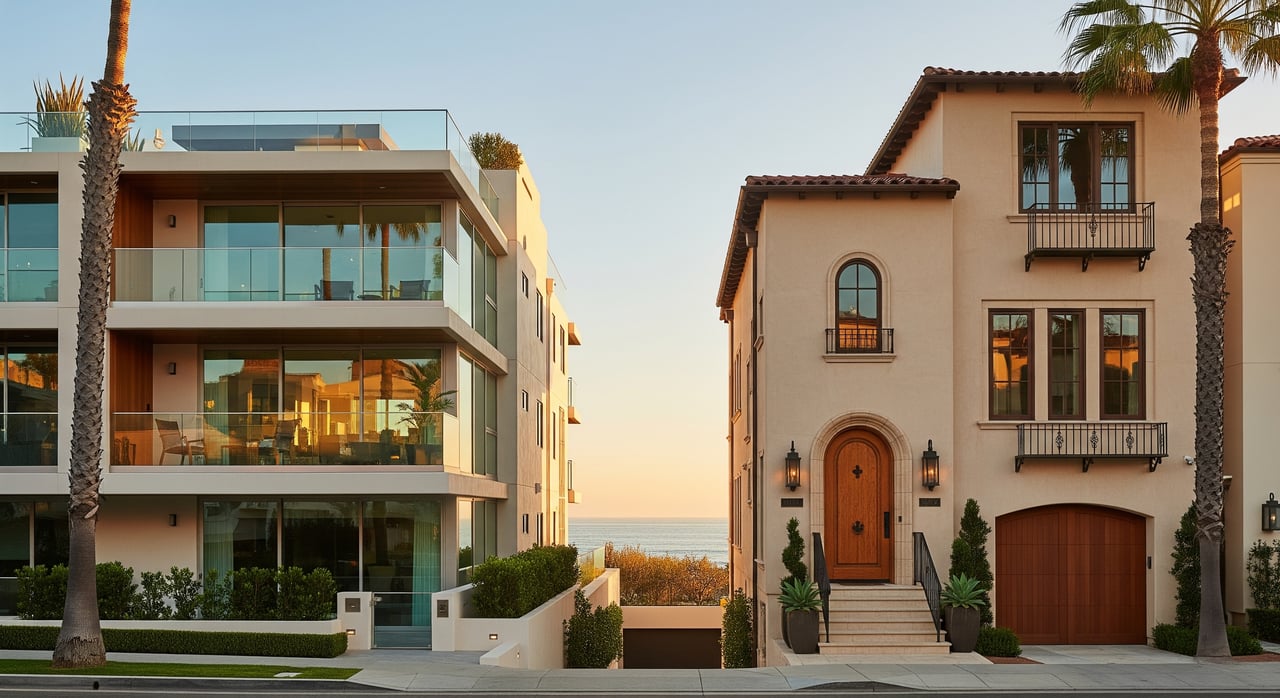
Trying to choose between a condo and a townhome in Santa Monica? You are likely weighing beachside walkability against space, privacy, and parking. Both options can work beautifully here, but the right fit depends on how you want to live day to day and how the ownership structure affects costs, financing, insurance, and resale. This guide breaks down the differences, maps them to Santa Monica neighborhoods, and gives you a clear due-diligence checklist so you can buy with confidence. Let’s dive in.
Condo vs townhome basics in Santa Monica
What you own
- Condos: You typically own the interior airspace of your unit plus a shared interest in common areas. The HOA usually maintains the building exterior, roof, and shared systems. Most owners carry “walls-in” responsibility for interiors, but always confirm what the HOA master policy covers.
- Townhomes: Many townhomes are fee simple, so you may own the structure and the land beneath it. In Santa Monica, some townhome-style properties are legally condominiums. Always verify the recorded form of title to understand your rights and obligations.
Why it matters
Ownership form affects your maintenance duties, insurance type, financing options, taxes, and resale expectations. Condos often centralize more maintenance in the HOA, which can mean higher monthly fees but fewer exterior surprises. Fee-simple townhomes can offer more control, but you may be responsible for exterior items like the roof, siding, fencing, and landscaping.
HOA costs, reserves, and governance
Condos often have higher HOA dues because they cover exterior upkeep and shared systems. Townhome HOAs can be lower, but owners may shoulder more maintenance directly. Your total cost of ownership depends on the building’s condition and the HOA’s financial health.
What to review under California’s common interest development rules:
- CC&Rs, bylaws, rules and regulations
- Annual budget, financials, and the latest reserve study
- HOA meeting minutes, planned or past special assessments, and litigation status
- Master insurance declarations page and coverage limits
A strong reserve study and healthy reserves lower the risk of surprise assessments. If the HOA is underfunded or litigating, lenders may tighten scrutiny and you could face higher risk of future costs.
Insurance and risk on the coast
- Condos: You typically carry an HO-6 policy for your interior finishes, personal property, and liability. The HOA’s master policy covers common areas and often the building shell. Confirm whether the master policy is all-in or bare walls-in, and understand the deductible.
- Townhomes: If you own the exterior and roof, you may need an HO-3 style dwelling policy. If there is an HOA master policy, coverage can be more limited, so verify where the HOA stops and you start.
Earthquake and flood coverage are separate for both property types. Santa Monica’s coastal setting and regional seismic risk make it smart to review a Natural Hazard Disclosure, understand FEMA flood mapping for the area, and verify insurance availability and costs before you remove contingencies.
Financing and resale
- Condo financing: Lenders may require the project to be warrantable. Small buildings, investor-heavy projects, or active litigation can make condo loans harder. Government-backed loans can require project-level approvals.
- Townhome financing: Fee-simple townhomes are often treated more like single-family homes, which can be easier to finance.
Resale dynamics vary by micro-area. Condos near the beach and Downtown remain highly marketable for buyers who value walkability and amenities. Townhomes with private garages and direct entries can feel scarce, which supports demand. In all areas, location and parking drive premiums.
Parking, storage, and daily living
Parking is tight near the beach and in Downtown. Many older condo buildings have limited assigned stalls or tandem parking, and street parking is regulated with permits and time limits. Townhomes are more likely to include a private garage and direct street access, which can be a major lifestyle upgrade if you need secure parking, EV charging, or extra storage.
Amenities, privacy, and outdoor space
Condos in larger developments can offer standout amenities like gyms, pools, roof decks, or a concierge. In exchange, you share more walls and corridors, which can reduce privacy. Townhomes tend to prioritize private entries and outdoor spaces like patios or small yards. Many buyers are comfortable trading shared amenities for private outdoor living and direct access.
Neighborhood fit: Ocean Park, Sunset Park, and beyond
Ocean Park
Ocean Park blends beach proximity with a mix of low-rise condos, small multifamily buildings, and cottages. Condos shine for buyers who want to live close to the sand, bike paths, and neighborhood shops with minimal yard work. Townhome options exist in pockets and often command a premium due to scarcity, private garages, and outdoor space.
Sunset Park
Sunset Park has a quieter residential feel with more townhome opportunities and larger footprints compared to the beach-adjacent blocks. If you prioritize space, privacy, and garage parking, you may find better townhome choices here. Condos can also work for buyers seeking lower maintenance in a more traditional neighborhood setting.
Downtown and North of Montana
Downtown features mid-rise and luxury condos with strong access to retail and transit. Parking is often at a premium. North of Montana offers higher-end housing and some small-scale condo or townhome options. Buyer priorities such as lot size, parking, and proximity to services can influence resale dynamics in these areas.
Quick chooser: which fits you?
Choose a condo if you want:
- Prime walkability to the beach, shops, and transit
- Lower day-to-day maintenance, with the HOA handling exterior items
- Access to shared amenities like a gym, pool, or roof deck
- Predictable interior upkeep and you are comfortable reviewing HOA budgets and reserve studies
Choose a townhome if you want:
- A private garage, direct entry, and more storage for gear or work-from-home space
- A patio or yard and more control over exterior finishes
- A form of ownership that may be easier to finance if it is fee simple
- Fewer shared corridors and a home that lives more like a single-family residence
Tip: In Santa Monica, some townhomes are technically condos. Confirm the legal title so you understand maintenance responsibilities and insurance needs.
Buyer due-diligence checklist
Documents to request before you remove contingencies:
- Recorded title type and preliminary title report
- CC&Rs, bylaws, rules and regulations
- HOA financial statements, current-year budget, and reserve study
- HOA meeting minutes, litigation disclosures, and special assessment history
- Master insurance declarations page and coverage details
- Seller disclosures and a Natural Hazard Disclosure report
- Permit history, including any seismic or structural upgrades
- Parking assignment and storage documentation, plus any easements
- Rental rules and any rent roll if relevant
Inspections and verifications to commission:
- General home inspection and pest inspection
- Foundation or structural review for older buildings where appropriate
- Roof and exterior condition assessment and clarity on who is responsible
- Insurance quotes for the unit and verification of the HOA master policy limits and deductibles
- Flood zone and sea-level risk assessment, with elevation info where relevant
Questions to ask the HOA or manager:
- Are any capital projects or special assessments planned?
- Is the association involved in litigation?
- What are the exact repair responsibilities for the unit, exterior, and common areas?
- How are parking assignments handled and are there guest parking restrictions?
- What are the rental, pet, and short-term rental rules?
- How do current reserves compare to recommendations in the reserve study?
Financing checks with your lender:
- Does the project need to be on an approval list for your loan type?
- Are there owner-occupancy or investor concentration limits that affect lending?
- Is the unit owner-occupied or tenant-occupied, and how does that impact your loan?
Total cost of ownership tips
- Balance HOA dues against what you would spend on exterior upkeep as a townhome owner. A lower HOA can be offset by roof, siding, or landscaping costs you take on directly.
- Review the reserve study and meeting minutes for signs of future assessments. Condos can face special assessments for roof replacement, seismic work, or major system upgrades.
- Budget for separate earthquake and, where applicable, flood insurance. Coastal and older multifamily buildings can see higher premiums, so confirm coverage and cost early.
How we help you decide
Your home should reflect how you live, not just where you sleep. We help you map your lifestyle needs to the right ownership form and micro-area, then back that choice with rigorous due diligence. From reading CC&Rs and reserve studies to coordinating inspections and insurance quotes, we manage details so you can focus on the feel of the home. If you value design, parking, storage, and a curated search that respects your time, our boutique, hands-on approach is built for you.
Ready to compare real options in Ocean Park, Sunset Park, or Downtown? Reach out to Sarah Minka Jackson to start a curated search that lines up ownership, financing, and lifestyle fit.
FAQs
Which is easier to finance in Santa Monica, a condo or a townhome?
- Fee-simple townhomes are often easier to finance, while condos may need project approvals and can face hurdles if there is litigation or heavy investor concentration.
How do HOA fees compare with townhome maintenance costs?
- Condos often have higher HOAs that cover exterior items, while townhomes may have lower fees but more out-of-pocket costs for roofs, siding, and landscaping.
What insurance do I need for a condo vs a townhome in Santa Monica?
- Condo owners typically carry HO-6 coverage for interiors alongside the HOA master policy, while townhome owners often need an HO-3 dwelling policy; earthquake and flood are separate for both.
How do Santa Monica rent control and short-term rental rules affect investment potential?
- The city has strict tenant protections and limits on short-term rentals, so verify local rules before assuming rental income from a unit.
How does parking differ for beach-adjacent condos and townhomes?
- Older condos near the coast may offer limited or tandem parking and regulated street parking, while townhomes more often include private garages and direct entries.
Are condos more likely to face special assessments for seismic or capital work?
- Condos can see special assessments for roof, seismic, or major system upgrades, so review the reserve study, meeting minutes, and assessment history.
How should coastal flood and sea-level risk influence my purchase?
- Review a Natural Hazard Disclosure, check flood mapping for the area, and confirm insurance availability and cost; consider elevation information when relevant.
Ocean Park vs Sunset Park: what should I weigh for lifestyle and resale?
- Ocean Park favors walkability and beach access that suit condo living, while Sunset Park offers more townhome options with space and garages; location and parking drive premiums in both.