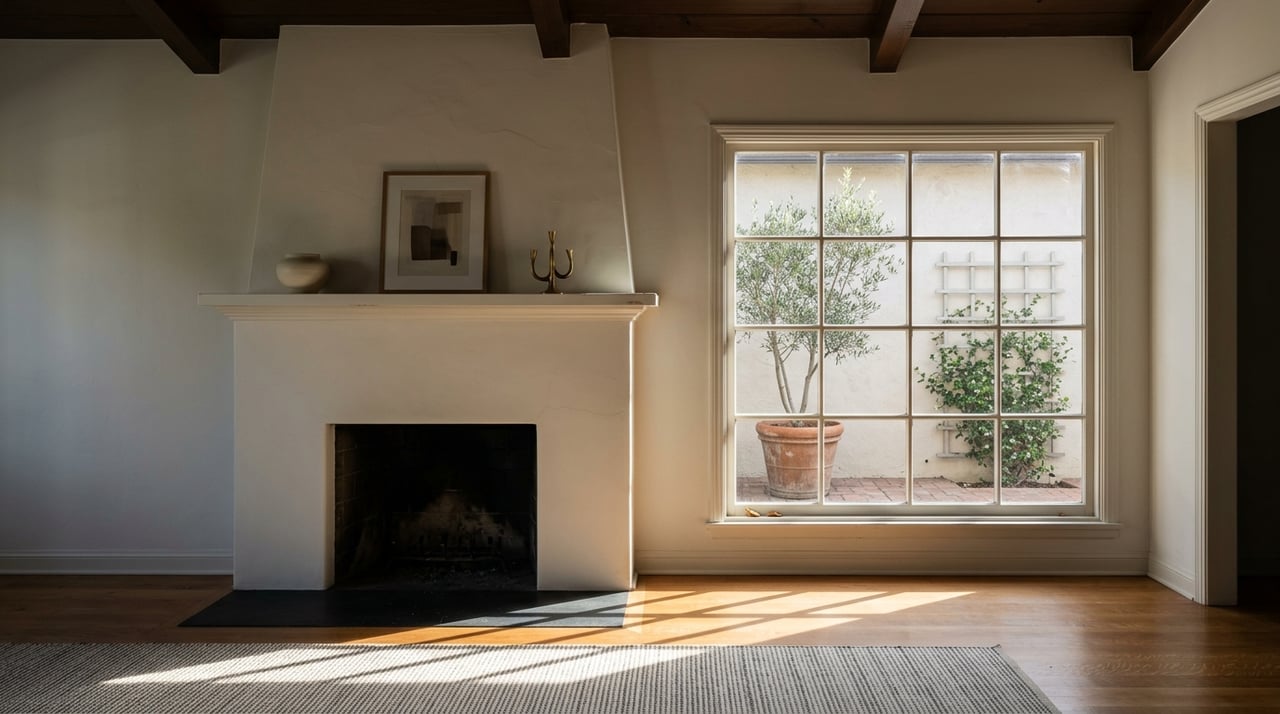
If you own a Pasadena character home, you are not just selling square footage. You are presenting craftsmanship, history, and a way of living that many buyers actively seek. In a market where well-prepared homes can move quickly, the right strategy can help your home stand out for the right reasons. Here’s how to present your Pasadena character home so today’s buyers can see both its charm and its value. Let’s dive in.
Why Pasadena Character Homes Stand Out
Pasadena has a strong architectural identity, and buyers know it. The city notes that Pasadena has more than 200 individually designated historic sites and 26 historic neighborhoods, with preservation work that highlights Arts & Crafts homes, bungalow courts, and period-revival architecture.
That matters when you sell. In Pasadena, features like original woodwork, built-ins, vintage tile, deep porches, and graceful arches are not niche details. They are part of the city’s documented character, which makes them easier for buyers to recognize and appreciate.
Pasadena is also widely recognized as the birthplace of the bungalow court. The city notes that early courts were often Craftsman, while later examples included Spanish Colonial Revival and other period-revival styles. If your home reflects one of these traditions, that architectural story can become a real marketing asset.
Know the Market Before You Prep
Presentation matters in any market, but especially in a competitive one. Redfin reports that in the three months ending May 2026, Pasadena had a median sale price of $1,216,772, about 32 days on market, about five offers on average, and a 103.9% sale-to-list ratio.
Those numbers apply to the broader Pasadena market, not just character homes. Still, they suggest that buyers are active and that homes with strong presentation can attract attention quickly. If you want to capture that momentum, your prep plan should be thoughtful, not generic.
Preserve the Character First
With an older or historically significant home, the goal is usually not to make it feel brand new. The goal is to help buyers experience the original character while also feeling that the home has been well cared for.
In many cases, that means preserving what makes the house special. Original windows, trim, doors, floors, fireplaces, built-ins, and tile often do more for buyer interest than trendy replacements that flatten the home’s personality.
A clean, well-maintained house almost always shows better than one with rushed upgrades. Paint touch-ups, repaired trim, refreshed landscaping, and careful maintenance of original materials can support value without stripping away the home’s identity.
Check Historic Status Early
Before you plan exterior changes, find out whether your home is in a landmark district or has another preservation designation. Pasadena states that landmark district designation does not affect the use or sale of a property, but it can affect demolitions, exterior alterations visible from the street, and new construction.
For those types of exterior changes, a Certificate of Appropriateness is required before a building permit can be issued. Pasadena also notes that there is no requirement to restore lost features or remove later additions simply because a house is in a landmark district.
This can be reassuring if you are preparing to sell. You may not need a dramatic restoration plan. You may simply need a smart one.
What Usually Triggers Review
Pasadena’s design guidelines commonly review changes such as:
- Windows
- Porches
- Additions
- Fences
- Garages
The city also notes that some items are generally exempt from Certificate of Appropriateness review in landmark districts, including:
- Interior alterations
- Paint colors
- Landscaping
- Solar panels
- Routine maintenance
- Exterior work not visible from the street
If you are considering any visible exterior work, talk with Pasadena’s Design & Historic Preservation staff early. The city says Certificate of Appropriateness review generally adds about two months to building-permit processing.
Focus on Cosmetic Improvements
For many Pasadena character homes, cosmetic updates are the sweet spot. You want the home to feel fresh, functional, and move-in ready, while still looking like itself.
That may include refinishing wood floors, repairing plaster, updating light fixtures, improving hardware, freshening kitchen and bath details, and sharpening curb appeal. These kinds of changes can improve presentation without competing with the architecture.
This approach also aligns with how historic guidelines are intended to work. Pasadena’s framework is designed to let historic buildings meet modern needs while maintaining historic character.
Stage to Reveal, Not Distract
Staging works best when it supports the home’s architecture instead of overpowering it. That is especially true in Pasadena, where buyers often respond to original details and a strong sense of place.
According to the 2025 staging report from the National Association of Realtors, 83% of buyers’ agents said staging makes it easier for buyers to envision a property as their future home. The report also found that 49% of sellers’ agents saw reduced time on market, and 29% of buyers’ agents reported a 1% to 10% increase in the dollar value offered.
The takeaway is simple: staging helps buyers connect. In a character home, that connection often comes from letting the architecture breathe.
Prioritize the Key Rooms
The same staging report found that the rooms buyers care most about are:
- Living room
- Primary bedroom
- Kitchen
Those spaces deserve special attention because they shape a buyer’s first impression of how the home lives day to day. If your budget is limited, start there.
Use an Edit, Don’t Erase Approach
Buyers want warmth, but they also want clarity. Too many personal items, heavy furniture, or visual distractions can make it harder to notice scale, light, and period details.
A restrained staging plan often works best in a Pasadena character home. Consider these priorities:
- Declutter heavily
- Remove highly personal items
- Use a calm, neutral palette
- Keep window areas open to natural light
- Highlight fireplaces, built-ins, arches, and original millwork
- Use furnishings that fit the room size and architecture
Partial staging can be especially effective. NAR notes that personalized or partial staging can create warmth and showcase character, which fits homes with vintage details and strong architectural bones.
Invest in Photography That Understands Design
Once the home is prepared, photography becomes the next major step. For a character property, photos should capture more than layout. They should show texture, craftsmanship, light, and flow.
NAR reports that buyers’ agents see photos, physical staging, videos, and virtual tours as highly important to clients. In practical terms, that means your home needs visuals that communicate what makes it different from a standard listing.
This is where thoughtful styling matters. A well-shot image of a sunlit living room, original built-ins, or a tiled fireplace surround can do more than a paragraph of description ever could.
If a room is empty, virtual staging may help buyers understand scale and use. NAR cautions, however, that photo enhancements that materially alter the property should be disclosed.
Tell the Home’s Story in the Listing
A character home should never be marketed like a generic remodel. Buyers in Pasadena often respond to provenance, architectural style, and the feeling that a home has been thoughtfully cared for over time.
Pasadena’s preservation materials describe historic resources as part of the city’s character and frame historic-context work as a way to tell the story of development patterns, events, people, and architecture. For sellers, that suggests a better way to write listing copy.
Instead of focusing only on finishes, your marketing should identify what is original, what has been carefully restored, and how the home fits into Pasadena’s architectural legacy. Even simple details can help shape that narrative:
- Original or restored windows
- Period tile or millwork
- Built-ins and fireplace details
- Porch design and roofline
- Spanish or Craftsman influences
- Thoughtful updates that support modern living
A strong story gives buyers context. It helps them understand why the home matters, not just what it has.
Review Mills Act Potential
If your property is designated and qualifies, the Mills Act may be worth reviewing as part of your pre-listing strategy. Pasadena describes the Mills Act as a historic property contract program for qualifying privately owned historic properties and notes that it can reduce property taxes for the owner.
That does not mean every home will qualify, and it is not something to assume in marketing without verification. But when applicable, it may be a meaningful point for a future buyer to understand. It is best to discuss the details with your agent and tax advisor early in the process.
Stay Ahead of Lead Disclosure Rules
Because many Pasadena character homes were built before 1978, lead-based paint rules may apply. The EPA states that buyers of most pre-1978 housing have the right to know whether lead-based paint hazards are present, and sellers and agents must disclose known information and provide the federal lead pamphlet before a contract is signed.
If you are doing repairs or improvements before listing, this is important to keep in mind. The EPA also states that renovation work that disturbs lead paint should be performed by certified lead-safe renovators.
Handling this early helps avoid delays and supports a smoother transaction. It also gives buyers confidence that the sale is being managed carefully.
A Smart Pasadena Pre-Listing Plan
If you want a simple framework, focus on the steps that protect character while improving presentation.
Pre-Listing Checklist
- Confirm whether the home has historic or landmark district status
- Review any planned exterior work for possible city approval needs
- Prioritize cosmetic repairs over style-erasing remodels
- Refresh landscaping and curb appeal
- Declutter and stage key rooms
- Invest in strong photography and visual marketing
- Build listing copy around the home’s architectural story
- Review Mills Act status if applicable
- Prepare for pre-1978 lead disclosures if relevant
The best results usually come from a balanced approach. You do not need to turn a Pasadena character home into something it was never meant to be. You need to present it clearly, honestly, and beautifully for the buyers who already value what it is.
If you are thinking about selling a Pasadena character home, thoughtful preparation can make all the difference. From visual edits to story-driven marketing, the goal is to reveal the home’s architecture, support its value, and guide the process with care. For a design-forward, hands-on selling strategy tailored to Pasadena, connect with Sarah Minka Jackson.
FAQs
How should you prepare a Pasadena character home for sale?
- Focus on preserving original features, making clean cosmetic repairs, decluttering, staging key rooms, and using photography that highlights the home’s architecture.
What makes Pasadena character homes appealing to buyers?
- Pasadena has a well-documented architectural identity, including Craftsman, Spanish Colonial Revival, bungalow court, and other period-style homes that many buyers actively seek out.
Do Pasadena landmark districts affect selling a home?
- Pasadena states that landmark district designation does not affect the use or sale of a property, but visible exterior changes, demolitions, and some new construction may require a Certificate of Appropriateness.
What updates are best before listing a Pasadena historic home?
- Cosmetic improvements such as paint touch-ups, trim repair, landscape refreshes, fixture updates, and careful maintenance of original materials are often the most effective.
Why is staging important for a Pasadena character home?
- Staging can help buyers picture themselves in the home while drawing attention to original features like built-ins, fireplaces, wood floors, arches, and vintage details.
What should sellers know about Pasadena Mills Act eligibility?
- If a designated historic property qualifies, Pasadena says the Mills Act can reduce property taxes through a historic property contract program, so it is worth reviewing early with your agent and tax advisor.
Do pre-1978 Pasadena homes require lead disclosures?
- Yes, for most pre-1978 homes, sellers must disclose known lead-based paint information and provide the required federal pamphlet before a contract is signed.