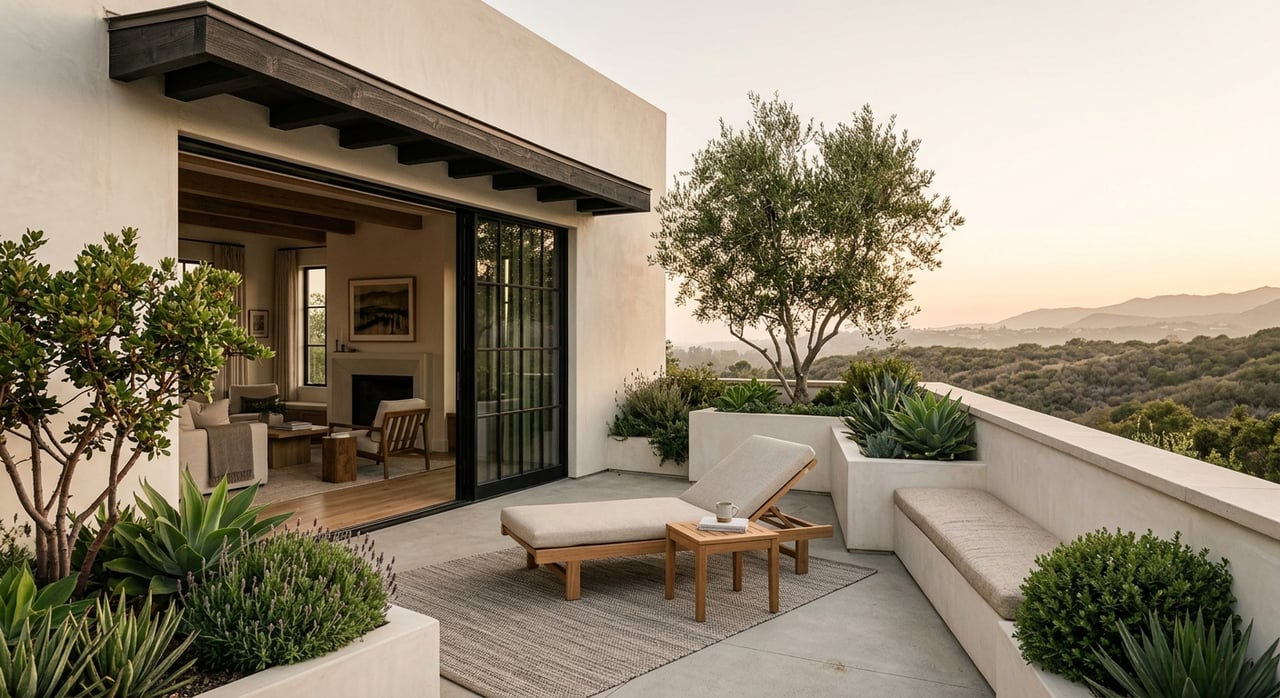
You can fall in love with a Hollywood Hills view in seconds. Living with it well is the part that takes a little more thought. If you are shopping for a view home here, the real goal is not just a dramatic skyline moment. It is finding a home that fits your daily routine, light preferences, privacy needs, and comfort level with hillside living. Let’s dive in.
Start With the Right Hollywood Hills Mindset
Hollywood Hills is not one uniform neighborhood. Los Angeles City Planning treats the broader area as part of a larger community plan that includes multiple places and hillside communities, and local reporting has long described the Hills as a collection of distinct enclaves rather than a single experience.
That matters because two homes can both be called “Hollywood Hills” and feel completely different day to day. One may offer quick access and a more urban edge, while another may feel tucked away and private. When you shop for a view home here, think in terms of micro-markets, canyons, and even specific streets.
Define What “View Home” Means to You
Before you book showings, get specific about the kind of view you actually want. Some buyers picture glittering city lights, while others want canyon greenery, ridgeline outlooks, or a quieter, layered landscape.
Your answer will shape everything else, including privacy, sun exposure, and how much you enjoy the home at different times of day. A beautiful view from one angle does not always translate to a comfortable everyday living experience.
Ask yourself these questions
- Do you want a city view, canyon view, or a mix of both?
- Is your priority sunset drama, soft daylight, or nighttime sparkle?
- Do you want the view from the main living room, the primary suite, or outdoor space?
- How important are privacy and quiet compared with openness?
- Would you trade some view for easier access, parking, or flatter outdoor space?
Pay Close Attention to Orientation and Light
This is one of the biggest factors buyers overlook. The U.S. Department of Energy notes that south-facing windows can capture more winter sunlight, north-facing windows tend to bring more even natural light with less glare, and east- and west-facing windows often bring stronger morning or afternoon sun along with more glare and summer heat gain.
In practical terms, the best-looking listing photos may not tell you how the home feels at 4 p.m. on a warm day. A wall of glass facing the wrong direction for your comfort can make a room look stunning online and feel harsh in real life.
What to notice during a tour
- Which direction the main glass and view windows face
- Whether the living room gets balanced light or intense glare
- If outdoor areas are usable at the times you would actually use them
- Whether shading, overhangs, or landscaping help soften direct sun
If you love design, this is where beauty and function need to meet. The right light can make architecture feel calm, warm, and livable. The wrong light can make even a gorgeous room feel difficult.
Look Beyond the View Line
A strong view does not automatically mean a strong overall setting. In the Hollywood Hills, the daily experience is shaped by sightlines, neighboring rooflines, canyon walls, street width, and how exposed the house feels from nearby properties.
Local reporting shows just how much character shifts from one area to another. Beachwood Canyon is often described as private with winding roads. Laurel Canyon is known for a quiet, rustic feel in some areas. Mount Olympus is associated with wider streets, larger homes, and views. Hollywood Hills West can offer both privacy and proximity, but also narrow streets and parking pressure.
The lesson is simple: the best view home is not always on the best street for you. A home with a slightly less dramatic outlook may offer a much better daily rhythm.
Compare Canyon Character, Not Just Price
If you are serious about buying in the Hills, it helps to compare areas by lifestyle fit. Local coverage points to meaningful differences across well-known pockets.
Examples of how areas can differ
- Sunset Strip edge: More central and urban, with nightlife and noise part of the tradeoff for location
- Laurel Canyon: Often associated with a private, retreat-like, rustic feel
- Mount Olympus: Known for wider streets, larger square footage, and views
- Nichols Canyon: Described as more out of the way, which may suit buyers comfortable with driving
- Outpost Estates: Known for 1920s and 1930s roots, mostly Spanish architecture, and buried telephone lines
- Whitley Heights: Noted for authentic Spanish architecture, with freeway noise affecting some areas
- Beachwood Canyon: Village-like in parts, with winding roads, privacy, and views
- Hollywood Hills West: Privacy and proximity can come together here, but street constraints may be part of the package
None of these areas is universally better than another. The right fit depends on how you want your home to feel when you pull in at night, leave in the morning, and live there every day.
Prioritize Indoor-Outdoor Flow
A view home should work with your routines, not just impress your guests. In many Hollywood Hills homes, the most satisfying layouts make the view part of daily life through usable terraces, decks, operable windows, and easy transitions between interior and exterior spaces.
The Department of Energy notes that window placement, shading, and ventilation work together. It also explains that natural ventilation can improve when openings are positioned well and that upper-level openings can help airflow through the stack effect. In a dry climate, nighttime ventilation can also help cool a home.
Features worth noticing
- Are decks or terraces easy to access from main living spaces?
- Do windows open in a way that supports airflow?
- Is the outdoor space large enough to use, not just admire?
- Does the home feel connected to the setting, or sealed off from it?
For design-minded buyers, this is where a home moves from scenic to memorable. The best view homes are not just framed well. They are lived in well.
Verify What Listing Photos Do Not Show
Photos can make every hillside property look sweeping and serene. Your job is to confirm how that view actually performs in person.
Based on orientation guidance and the street-by-street realities of hillside living, it is smart to verify whether the view comes from the primary living areas or only from one deck or bedroom. You should also look for what sits inside the sightline, including trees, neighboring homes, rooflines, and canyon walls.
During showings, check for these details
- Is the view visible from the rooms where you will spend the most time?
- Does the outlook feel open, or does it narrow when you step inside?
- Is afternoon sun too strong in the main entertaining spaces?
- Do nearby houses affect privacy more than photos suggest?
- Does the street feel easy or stressful to navigate?
Understand the Tradeoffs in Hillside Inventory
The current community planning framework emphasizes stronger subdivision controls and ridgeline protection, while directing more growth toward transit-served areas of Hollywood. In practical terms, that helps explain why truly usable view lots and intact hillside properties can be limited.
That scarcity means buyers often choose between competing priorities. You may need to weigh view height against privacy, flat outdoor space against dramatic topography, or easier parking against a more tucked-away location.
Common tradeoffs buyers face
- Bigger panorama vs. more privacy
- Better access vs. quieter positioning
- Larger house vs. more usable outdoor area
- Architectural character vs. easier day-to-day function
- Central location vs. reduced noise
A curated search helps here because the best option is rarely the one with the longest feature list. It is the one whose compromises match your lifestyle best.
Take Disclosures and Hazard Zones Seriously
In a hillside market, due diligence matters. California’s standard real property disclosure form is informational, not a warranty, and the California Department of Real Estate states that it is not a substitute for inspections.
California’s Natural Hazard Disclosure framework covers special flood hazard areas, dam inundation areas, very high fire hazard severity zones, wildland fire areas, earthquake fault zones, and seismic hazard zones. If a map is not clear enough, the form instructions say the seller or seller’s agent should mark yes unless an expert report shows the property is outside the zone.
For Hollywood Hills buyers, this is especially relevant. The Office of the State Fire Marshal says fire hazard maps evaluate hazard based on factors such as vegetation, terrain, climate, ember movement, and fire history. The Los Angeles Fire Department says the city’s very high fire hazard severity zone includes most hilly and mountainous regions, including Hollywood, and the city is aligning the 2025 state-recommended maps to streets and parcel lines.
The California Geological Survey also states that seismic hazard zones identify areas prone to liquefaction and earthquake-induced landslides, and that mapped-zone status must be disclosed to buyers. None of this means you should avoid the Hills. It means you should review disclosures carefully and treat inspections and property-specific investigation as essential steps.
Build a Smart Touring Strategy
Because Hollywood Hills is so street-specific, your showing plan should be intentional. Touring one home in one canyon will not tell you enough about the market.
A smarter approach is to compare homes across a few micro-areas that match your goals, then narrow from there. This lets you test your own reactions to light, access, privacy, architecture, and neighborhood feel instead of deciding only from photos.
A practical touring checklist
- Tour homes at different times of day when possible
- Compare at least two or three distinct canyon or hillside pockets
- Spend time in the main living room, not just on the terrace
- Step outside and listen for traffic, parking activity, or neighborhood noise
- Notice how arrival feels from the street to the front door
- Ask how much of the view is experienced from everyday spaces
Why Micro-Market Guidance Matters
A Hollywood Hills search is part design exercise, part lifestyle planning, and part due diligence. The right home is rarely just the prettiest one online. It is the one that aligns with how you want to live in Los Angeles, from morning light to nighttime return home.
That is where local, hands-on guidance matters. When you understand the difference between canyons, street conditions, orientation, and view quality, you can shop with much more confidence and much less guesswork.
If you are ready to search for a view home with a more thoughtful, design-aware strategy, Sarah Minka Jackson can help you refine the right Hollywood Hills micro-markets, evaluate what is truly livable, and navigate the process with boutique, hands-on support.
FAQs
What should buyers look for in a Hollywood Hills view home?
- Buyers should look at more than the view itself, including light orientation, privacy, access, usable outdoor space, street feel, and whether the outlook is visible from the main living areas.
How do Hollywood Hills micro-markets affect a home search?
- Hollywood Hills is made up of distinct canyons and hillside enclaves, so the daily experience can vary widely based on noise, privacy, access, street width, and neighborhood character.
Why does window orientation matter in a Hollywood Hills house?
- Window orientation affects natural light, glare, heat gain, and comfort, which means a beautiful wall of glass may feel very different depending on whether it faces north, south, east, or west.
What disclosures are important when buying in the Hollywood Hills?
- Buyers should review California disclosure documents carefully, especially natural hazard disclosures related to fire hazard severity zones, wildland fire areas, earthquake fault zones, and seismic hazard zones, and they should not treat disclosure forms as a substitute for inspections.
How can buyers verify if a Hollywood Hills view is really usable?
- Buyers should confirm whether the view is experienced from everyday spaces like the living room and primary suite, check for glare and privacy issues, and note whether trees, rooflines, canyon walls, or neighboring homes affect the actual outlook.