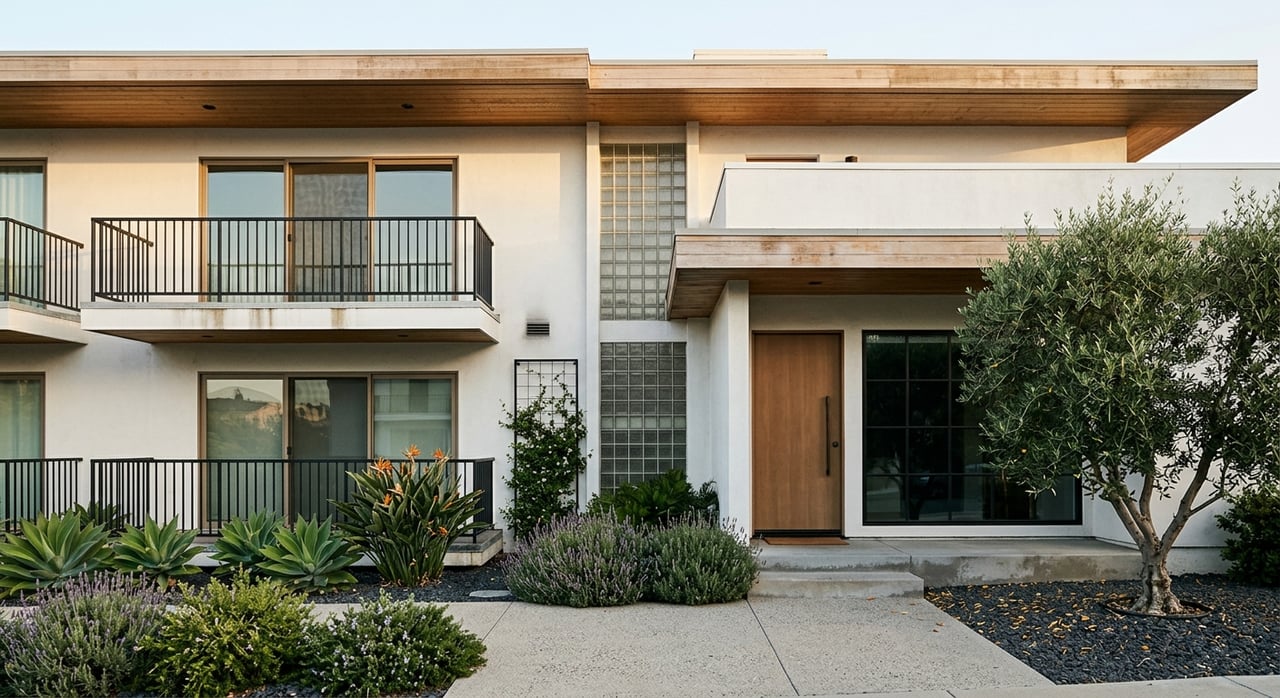
If you are shopping for a condo in Santa Monica, it helps to think beyond finishes and square footage. In a city with about 93,000 residents and an estimated 250,000 people there during the day, everyday comfort often comes down to how easily your home supports your routine. This guide will help you evaluate Santa Monica condos through a practical, lifestyle-first lens so you can compare buildings with more confidence. Let’s dive in.
Start With Daily Routine
In Santa Monica, condo living is often more about function than flash. The city covers 8.3 square miles, includes three miles of Pacific beachfront, and draws a steady mix of residents, workers, shoppers, and visitors throughout the day. That means details like parking, walkability, transit access, and the feel of the surrounding block can shape your experience just as much as the unit itself.
A smart first question is simple: What do you want a normal weekday to feel like? If your routine includes commuting, walking to coffee, heading to the beach, or picking up groceries without a long drive, the right condo will support those habits naturally.
Compare Santa Monica Areas
Different parts of Santa Monica create very different condo lifestyles. Even if two listings look similar online, daily living can feel completely different once you step outside the building.
Downtown Santa Monica
Downtown is the city’s most activity-heavy condo setting. The Third Street Promenade sits at the center of shopping, dining, and entertainment, and it also hosts the twice-weekly Santa Monica Farmers Markets. If you want to be close to restaurants, retail, and beach access, this area can offer strong convenience.
Transit is also a major factor here. Downtown Santa Monica Station is served by the Metro E Line and local bus service, which can make car-light living more realistic than in many other Westside locations. If reducing car trips matters to you, this can be a meaningful advantage.
Ocean Park
Ocean Park tends to feel more neighborhood-oriented. City information describes Ocean Park Boulevard as one of Santa Monica’s most vibrant streets, with public schools, libraries, commercial districts, and Clover Park nearby. Main Street also acts as a major north-south commercial corridor in the broader neighborhood.
For everyday living, this can translate into a more local rhythm. You may find that a condo here feels connected to daily errands and outdoor time in a way that is less intense than Downtown, while still offering strong access to Santa Monica amenities.
Wilshire-Montana
Wilshire-Montana is another key area to evaluate. City planning material describes it as Santa Monica’s largest multi-family neighborhood, with a flat grid and a variety of building types and amenities. That makes it especially relevant for condo buyers who want options.
Some properties near the western edge may also have views toward Palisades Park and the Pacific Ocean, along with easy connections to the beach and Downtown. If you want a central location with a wide range of condo inventory, this area is often worth a close look.
Evaluate the Unit Like You’ll Live There
It is easy to get distracted by staging, new hardware, or a photogenic kitchen. But for everyday living, the better test is whether the condo works well from morning to night.
Check the Floor Plan Flow
Pay attention to how the rooms connect and how you would actually move through the space. A condo can look stylish online but still feel awkward if the layout wastes square footage or makes furniture placement difficult.
Ask yourself whether the living area feels usable, whether the bedrooms are positioned in a way that supports privacy, and whether the home fits your real habits. If you work from home, host guests, or need room for beach gear or bikes, those needs should shape your decision.
Look at Light and Orientation
Natural light changes how a condo feels every day. During a showing, notice where the windows face and how much light reaches the main living spaces.
A unit that feels bright and open in listing photos may feel different depending on the time of day, nearby buildings, or street orientation. Morning and afternoon light can have a big impact on comfort, energy use, and even how often you enjoy spending time at home.
Test Outdoor Space
A balcony or patio should be more than a visual extra. If outdoor space matters to you, check whether it actually fits a chair, small table, or the kind of setup you would use.
In a beachside city like Santa Monica, usable outdoor space can make a condo feel much larger. Decorative outdoor space is not the same as functional outdoor space, so it is worth measuring with your routine in mind.
Listen for Noise
Noise can shape everyday livability more than many buyers expect. During showings, listen for traffic, alley activity, neighboring units, and common-area sounds.
Santa Monica’s mix of residents and daytime visitors means block-by-block differences can be significant. A condo near active streets or busy areas may still be a great fit, but it is important to know what you are signing up for.
Review the Building Carefully
When you buy a condo, you are not only buying the unit. You are also buying into the building’s systems, rules, finances, and shared decision-making.
Understand HOA Rules
In California, CC&Rs are private regulations that run with the land and are binding on owners. The California Department of Real Estate notes that these rules can be enforced through HOA powers, including fines or limits on access to common-area amenities. HOA boards govern the association, and additional rules may also apply.
Before removing contingencies, it is wise to review the CC&Rs, bylaws, HOA rules, budget, reserve study, and recent association materials. Those documents can tell you a great deal about how the building operates and whether it aligns with your expectations.
Check HOA Financial Health
A low monthly HOA fee is not automatically a good sign. According to the California Department of Real Estate, HOA budgets typically include fixed costs, operating costs, reserves, administration, and contingency.
That matters because regular assessments do more than cover current bills. They also help fund reserves for future repairs and replacements. If reserves are weak, owners may face more financial pressure later.
Watch Older or Converted Buildings
Older and converted properties can offer character, but they also deserve closer review. The California Department of Real Estate warns that conversion projects may bring higher maintenance and repair needs after a developer’s assessment obligations end, especially if reserve funding is not strong enough.
The same guide notes that some converted properties may need improvements to infrastructure and mechanical, electrical, and plumbing systems that are not obvious from cosmetic updates alone. This is where a strong inspection and careful reserve study review become especially important.
Make Parking Part of the Decision
In Santa Monica, parking is not a detail to gloss over. It is a daily-life issue.
The city offers several parking-related programs, including residential parking permits, beach parking permits, preferential parking permits, EV parking permits, and Downtown parking structure options. The city also notes that Downtown structure rates changed on April 13, 2026, and that the free curbside EV parking benefit tied to the state decal program expired on September 30, 2025.
That means you should verify parking realities directly rather than assume they will be simple. Ask whether your space is deeded or assigned, whether guest parking is truly workable, and what your backup plan would be if your household has more than one vehicle or needs EV charging.
Consider Transit and Car-Light Living
Transit can be a real quality-of-life advantage in Santa Monica. Metro says the E Line runs between East Los Angeles and Santa Monica, with Santa Monica stops at Downtown Santa Monica, 17th St/SMC, and 26th St/Bergamot.
If you want to cut back on driving, living near one of these stops may matter as much as having a second parking space. A condo that supports a more flexible commute can change how convenient daily life feels over time.
Look Beyond the Building
A condo does not exist in isolation. Sometimes the block, sidewalk, nearby park access, or bike route makes the biggest difference in how a home lives.
Check Walk and Bike Access
Santa Monica places a strong emphasis on outdoor mobility. The Santa Monica State Beach bike path stretches for three miles and includes a parallel pedestrian path, while the city also supports a broader bike-friendly network.
In Ocean Park, complete-street improvements have included wider sidewalks, enhanced crosswalks, painted bike lanes, and landscaping. Features like these can make a modest building feel much more livable because the surrounding area works better day to day.
Factor in Parks and Beach Access
Outdoor access is one of Santa Monica’s biggest lifestyle advantages. Palisades Park spans 26 acres along Ocean Avenue and includes benches, picnic areas, art, a rose garden, and a walking path. Tongva Park offers six acres of urban green space within walking distance of the Pier, and Santa Monica’s beach extends for three miles.
A condo that puts these spaces within an easy walk can feel very different from one that is technically close but still less convenient in practice. If outdoor time is part of your routine, test that access in person.
Questions To Ask During Showings
A good showing is not just about looking. It is about gathering useful answers.
Ask practical questions such as:
- How much daylight does the unit get in the morning and afternoon?
- Which rooms face the street, alley, courtyard, or another building?
- Does the balcony or patio fit furniture you would actually use?
- How much sound comes through the windows?
- Is there enough storage for bikes, beach gear, or strollers?
- Is guest parking realistic?
- Does the building have EV charging?
- What do the monthly HOA dues cover?
- When was the reserve study last updated?
- Are any special assessments planned?
- Have there been repeat repairs to the roof, plumbing, elevators, or waterproofing?
These questions may sound ordinary, but they often reveal the biggest quality-of-life differences between two similar listings.
Build the Right Support Team
A condo purchase usually benefits from a team that understands both the unit and the building. The most useful professionals often include a condo-savvy buyer’s agent, a home inspector, the HOA’s manager or board, the lender, and the title and escrow team.
The California Department of Real Estate advises buyers to verify that their agent is properly licensed. The department also notes that if your agent cannot adequately answer a question, you should ask to speak with the broker or seek legal advice. That kind of thoroughness matters, especially when HOA documents and building systems are part of the decision.
The best Santa Monica condo for everyday living is usually the one that fits your actual routine, not just your wishlist. For some buyers that means Downtown access and transit, for others it means Ocean Park’s neighborhood feel, and for others it means Wilshire-Montana’s multi-family setting and central location. If you want help comparing Santa Monica condos through a lifestyle and livability lens, Sarah Minka Jackson can help you build a curated search around how you want to live.
FAQs
What should you evaluate first when buying a Santa Monica condo for everyday living?
- Start with your daily routine, including commuting, parking, grocery runs, outdoor time, and how much you want to walk or use transit.
What makes Downtown Santa Monica different for condo buyers?
- Downtown Santa Monica offers strong access to shopping, dining, the beach, local bus service, and the Metro E Line, which can make car-light living more realistic.
Why do HOA documents matter in a Santa Monica condo purchase?
- HOA documents explain the building’s rules, finances, and governance, including CC&Rs, budgets, reserves, and any issues that could affect your ownership experience.
What parking questions should you ask when touring a Santa Monica condo?
- Ask whether parking is deeded or assigned, whether guest parking is workable, whether EV charging is available, and how local permit rules may affect your day-to-day use.
Why is outdoor access important when comparing Santa Monica condos?
- Easy access to places like Palisades Park, Tongva Park, and the beach can meaningfully improve everyday living, especially if walking, biking, or outdoor time is part of your routine.
What should you watch for in older or converted Santa Monica condo buildings?
- Pay close attention to inspections, reserve funding, and any signs of repeat repairs or hidden system issues involving plumbing, electrical, mechanical systems, or infrastructure.