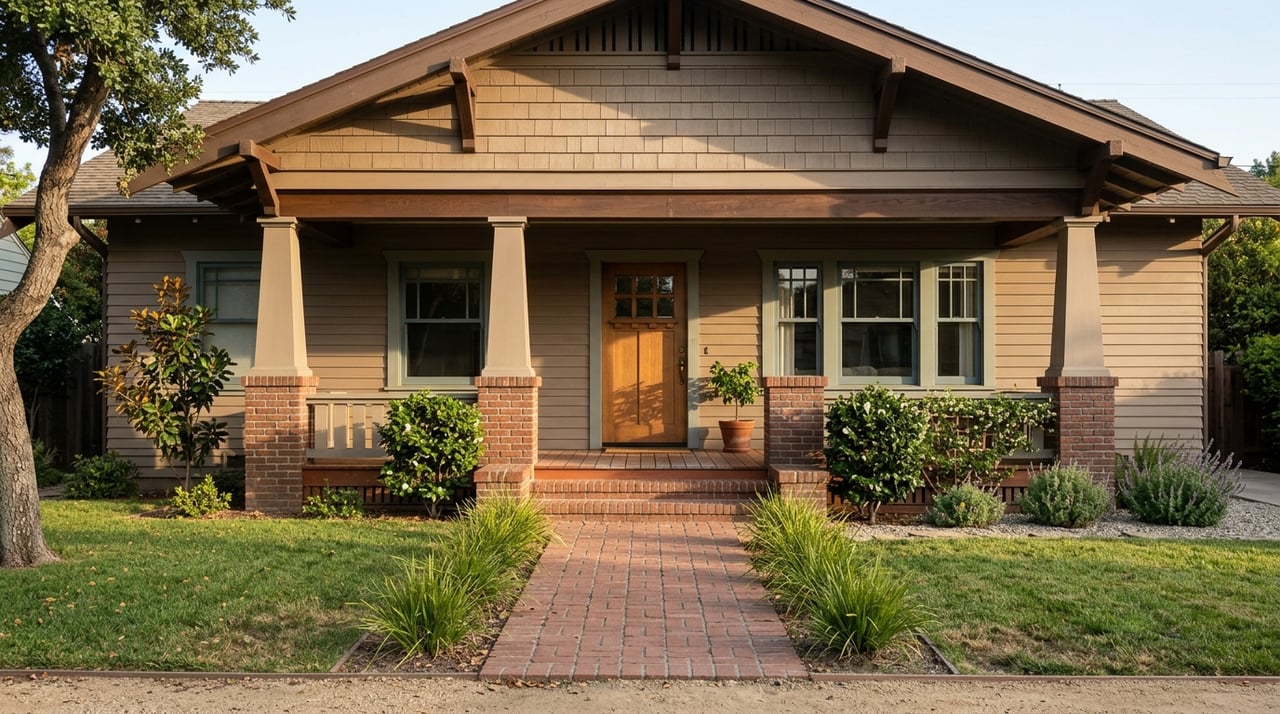
Wondering how to experience Pasadena’s architecture in a way that actually helps you understand its homes? This city gives you far more than a few famous landmarks. In one weekend, you can read Pasadena through its streets, porches, gardens, and civic spaces, and get a real feel for how different residential pockets live and look. If you love character homes or you are considering buying in Pasadena, this guide will help you see the city with a sharper eye. Let’s dive in.
Why Pasadena rewards a weekend
Pasadena packs an unusual amount of architecture into a relatively compact city. Visit Pasadena describes it as one of America’s premier architectural destinations, with more than 30 historic and landmark districts across 23 square miles. That density makes it possible to explore very different housing styles and streetscapes without spending your whole weekend in the car.
What makes Pasadena especially interesting is the range. You can move from Arts & Crafts icons to formal civic buildings, from bungalow-lined blocks to estate-scale areas, all in a single trip. For a design-minded buyer, that variety helps you compare not just house styles, but also lot patterns, setbacks, block rhythm, and the overall feeling of each area.
Pasadena’s preservation culture also shapes the experience. The City of Pasadena maintains historic preservation resources, including an interactive map and the CHRID database, and its Historic Preservation Commission reviews changes in landmark districts through Certificates of Appropriateness. In practical terms, that means architecture here is not treated like background scenery. It is part of the city’s everyday identity.
Start in Old Pasadena
If you want the clearest introduction to Pasadena’s historic core, begin in Old Pasadena. This 22-block National Register historic district gives you a strong sense of the city’s late-19th- and early-20th-century fabric. The restored storefronts, varied facades, and walkable block pattern make it easy to notice how commercial architecture can shape the mood of a neighborhood.
This is also a good place to settle into the weekend pace. Visit Pasadena highlights Old Pasadena’s open-air shopping plazas and hidden laneways, which make the district feel layered rather than polished flat. For a buyer, that kind of texture matters because it often signals a neighborhood with an established identity and a strong public realm.
If you want a coffee stop, Criterion Coffee or Copa Vida fit naturally into this first chapter of the weekend. Both are described by Visit Pasadena as cozy, casual options for coffee and light food in the district. A simple walk with coffee in hand can tell you a lot about pedestrian rhythm, storefront scale, and how people use the area throughout the day.
Add Castle Green nearby
A short walk from Old Pasadena, Castle Green gives you a dramatic shift in style. Built in 1898 as the Hotel Green annex, it blends Moorish, Spanish, and Victorian influences. Even if you only view it from the outside, it adds a more romantic and eclectic note to the weekend.
This stop is useful because it expands your sense of Pasadena beyond Craftsman shorthand. The city’s architecture is not one-note, and Castle Green makes that clear right away. Central Park, just south of Castle Green, helps round out this cluster as an easy walk-and-pause segment rather than a single-building stop.
Continue to the Civic Center
From Old Pasadena, the Civic Center District gives you a broader civic chapter before you turn fully toward residential neighborhoods. Pasadena City Hall, completed in 1927, was designed by John Bakewell and Arthur Brown with Italian Renaissance influence. It brings order, symmetry, and monumentality into the story.
This matters because civic architecture often sets the tone for how a city presents itself. In Pasadena, the Civic Center reinforces the idea that architecture is part of public life, not just private real estate. Visit Pasadena and the Pasadena Public Library also note the importance of the Civic Center area and Central Library as historic landmarks within the city’s architectural landscape.
For buyers, this stop helps frame Pasadena as a place where design continuity extends beyond individual homes. The relationship between public buildings, streets, and nearby residential pockets often shapes the experience of living here as much as any one property does.
Make the Gamble House your anchor
No architecture-focused weekend in Pasadena feels complete without the Gamble House. Visit Pasadena identifies it as a 1908 Greene & Greene home and the finest example of early 20th-century Craftsman architecture. Its official site notes that it is a local, state, and national historic landmark, with guided tours offered Tuesdays and Thursdays through Sundays, while the grounds and exterior can also be enjoyed.
Even from outside, this stop sharpens your eye. You begin to notice massing, rooflines, layered porches, and the way materials give a house warmth and depth. For anyone drawn to character homes, the Gamble House is less about checking off a famous destination and more about learning the language of Pasadena residential design.
Walk Arroyo Terrace after
The nearby Arroyo Terrace neighborhood tour gives that language context. Visit Pasadena says the route includes a National Register historic district with nine Greene & Greene houses, along with work by other notable architects such as Myron Hunt, Edwin Bergstrom, Elmer Grey, and D. M. Renton. This is where you can really study how a district feels as a whole.
The city’s design guidelines also describe Arroyo Terrace as a compact setting with notable clinker-brick and stone streetscape details. That means the experience is not just about facades. It is also about paving, edges, and small material cues that shape the block.
For a buyer, Arroyo Terrace is a reminder to look beyond a home’s interior. Ask yourself how the street sits, how houses relate to one another, and how landscaping and lot lines affect the sense of privacy and scale. In Pasadena, those details often carry as much value as square footage.
Explore Bungalow Heaven
If Arroyo Terrace shows Pasadena at its more formal and architect-driven, Bungalow Heaven reveals the city’s more approachable and layered residential side. Visit Pasadena describes it as a square mile of 20th-century homes and Pasadena’s first Landmark District. The neighborhood association notes that the designation became official in 1989, and its homes range from 1888 to 1956.
That long timeline is part of what makes the area so appealing. You do not get a frozen movie set. You get a district with visible depth, where the homes reflect different decades while still reading as a coherent neighborhood.
This is one of the best places to understand Pasadena’s preservation-minded maintenance culture. As you move through the blocks, pay attention to porches, front-yard setbacks, window proportions, and how homes sit on their lots. If you are comparing Pasadena with other LA areas, Bungalow Heaven helps explain why some buyers are drawn here for both architectural character and neighborhood rhythm.
Notice Pasadena’s bungalow courts
Pasadena is considered the birthplace of the bungalow court, according to the City of Pasadena. The city also offers a driving tour of 17 courts across Pasadena, including examples near Bungalow Heaven and Oak Knoll Gardens. This housing form is worth seeking out because it is a distinctly local piece of residential history.
Bungalow courts can reshape how you think about density. Rather than feeling purely urban or purely suburban, they often create a smaller-scale, community-oriented layout with a strong sense of form. For buyers interested in historic housing types, they offer another lens on what makes Pasadena different from many nearby markets.
Add an estate-scale contrast
To understand Pasadena fully, it helps to see its grander side too. Oak Knoll and South Orange Grove communicate a more expansive residential mood, with larger lots and a more formal setting. Visit Pasadena notes that The Langham Huntington, Pasadena sits in an upscale residential neighborhood on Oak Knoll Avenue, and nearby landmarks support the long-standing Millionaire’s Row story.
Tournament House is a strong stop here. Visit Pasadena says the Italian Renaissance-style mansion became the Tournament of Roses headquarters in 1958 and sits within 4.5 acres of gardens featuring more than 1,500 varieties of roses, camellias, and annuals. It gives you a clear sense of Pasadena’s estate tradition without turning the weekend into a mansion-only itinerary.
If you want another reference point, the Pasadena Museum of History uses Fenyes Mansion to illustrate Millionaire’s Row. Together, these landmarks show how Pasadena can shift from intimate bungalow scale to grand residential form while still feeling connected by design history.
Build in design-minded breaks
A great architecture weekend should leave room to pause and absorb what you are seeing. Pasadena makes that easy because several coffee and dining areas fit naturally into the route. These stops help the day feel lived-in rather than overplanned.
Playhouse Village works well when you want a break from purely residential touring. Visit Pasadena describes it as a historic arts district with public art, eateries, independent shops, and the Pasadena Playhouse. Urth Caffé, located there in a Mission Revival building, keeps the design thread going even while you reset.
South Lake Avenue is another useful option. Visit Pasadena frames it as a 12-block dining and shopping corridor, and Republik Coffee Lounge offers breakfast fare, small bites, and room to linger. If you are touring Pasadena with real estate on your mind, these pauses can help you compare not just architecture, but daily lifestyle patterns across districts.
On the East Pasadena side, Millie’s Cafe is a practical breakfast stop, and Bacchus’ Kitchen is identified by Visit Pasadena as a restaurant in the Bungalow Heaven neighborhood. That pairing helps connect historic residential areas to everyday routines, which is often exactly what buyers want to test during a weekend visit.
End with a garden perspective
A quiet garden stop is one of the best ways to finish the weekend. Arlington Garden is especially strong for this itinerary because it feels public but still deeply tied to its residential setting. The garden describes itself as Pasadena’s only dedicated public garden, free and open daily during daylight hours, in a quiet residential neighborhood with limited street parking. It is also about a 15-minute walk from Fillmore Station.
This is a valuable final stop because gardens reveal another side of a city’s design culture. You notice scale, sound, planting patterns, and how the surrounding neighborhood feels when the pace slows down. If you are picturing daily life in Pasadena, this kind of ending can be more revealing than one more landmark photo.
If you want an additional house-and-garden story, Storrier Stearns Japanese Garden is another standout on Arlington Drive. Visit Pasadena calls it the only intact example of a major pre-World War II Japanese-style garden created for a residence in Southern California. That gives your weekend a more intimate and landscape-focused close.
A smart Pasadena weekend route
If you want to keep the geography logical, a simple route works best:
- Saturday morning: Old Pasadena and Castle Green
- Saturday midday: Civic Center and Pasadena City Hall
- Saturday afternoon: Gamble House and Arroyo Terrace
- Sunday morning: Bungalow Heaven and nearby bungalow courts
- Sunday afternoon: Oak Knoll or South Orange Grove, then Arlington Garden or Storrier Stearns Japanese Garden
This sequence follows the city’s architectural story without bouncing around too much. It also lets you move through distinct housing scales, from urban and civic to intimate and residential, then finally to garden calm.
What architecture-minded buyers should watch for
If you are not just visiting but thinking about buying, try to look past the postcard moments. The best clues often come from repetition across a block, not just from one standout house. Pasadena rewards careful observation.
As you tour, pay attention to:
- Setbacks and lot size
- Porch depth and street connection
- Window patterns and natural light potential
- How landscaping shapes privacy
- The condition and continuity of neighboring homes
- The relationship between landmark areas and daily amenities
That kind of close reading is often where you begin to understand whether a Pasadena neighborhood fits your lifestyle and design preferences. It is also where local guidance becomes especially valuable, because two beautiful blocks can feel very different in daily use.
Pasadena is one of those rare places where a weekend of looking can teach you a lot. The city’s preservation culture, landmark density, and range of home styles make it especially rewarding for buyers who care about character, context, and the feel of a street as much as the features of a house.
If you are exploring Pasadena with a future move in mind, working with someone who understands design, neighborhood identity, and how to curate the right search can make the experience much more focused. If you are ready to talk through Pasadena homes or plan a character-driven home search, connect with Sarah Minka Jackson.
FAQs
What makes Pasadena a strong city for architecture lovers?
- Pasadena has more than 30 historic and landmark districts within 23 square miles, along with a wide mix of Craftsman, Beaux-Arts, Spanish Colonial Revival, Mid-Century Modern, bungalow court, and Victorian architecture.
What is the best Pasadena landmark for Craftsman architecture?
- The Gamble House is the signature Craftsman stop in Pasadena and is identified by Visit Pasadena as the finest example of early 20th-century Craftsman architecture.
Which Pasadena neighborhood is best known for bungalow homes?
- Bungalow Heaven is Pasadena’s best-known bungalow district, with homes built between 1888 and 1956 and a long-established landmark identity.
Can you see Pasadena architecture without entering private homes?
- Yes. Pasadena is especially rewarding from the street because you can understand its architecture through public landmarks, historic districts, walking routes, gardens, and exterior views.
Where can you see Pasadena bungalow courts?
- The City of Pasadena offers a driving tour of 17 bungalow courts across the city, including examples near Bungalow Heaven and Oak Knoll Gardens.
What is a good one-weekend Pasadena architecture route?
- A smart route is Old Pasadena and the Civic Center first, then the Gamble House and Arroyo Terrace, followed by Bungalow Heaven, bungalow courts, and a quieter finish at Arlington Garden or Storrier Stearns Japanese Garden.